
Ultra Low-Emission Diesel Engines Have A Bright Future
May 8, 2018

May 8, 2018

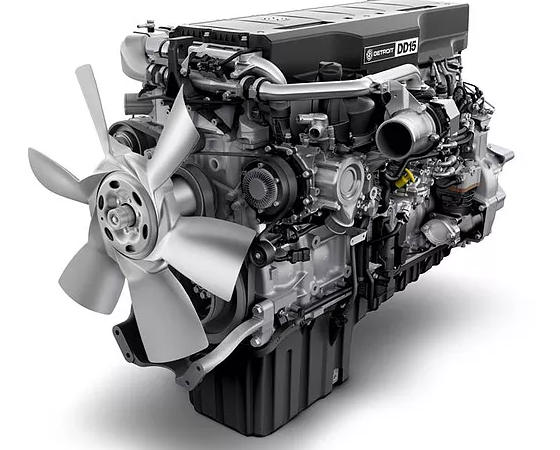
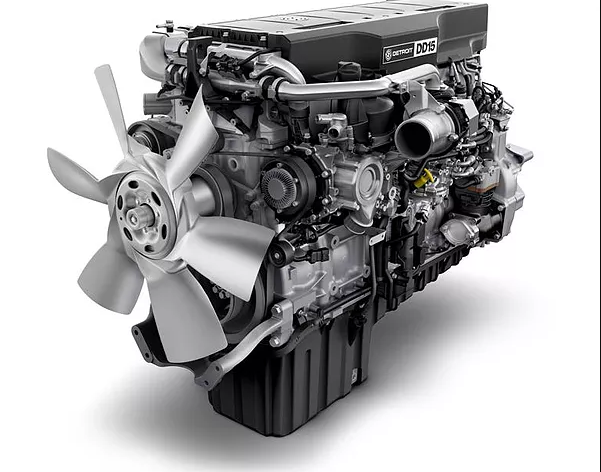
Black industrial engine with large silver cooling fan, isolated on a white background

Everybody keeps blaming diesel engines for constantly damaging the environment, not to mention that some countries are even taking serious measures to completely banning cars equipped with them. And we can totally relate since it was proven numerous times that a diesel engine is more dangerous for the environment than a petrol one. Add the Volkswagen dieselgate scandal to this and you will understand why these engines are dealing with a real image crisis right now.

However, there are people who are optimistic regarding their future and believe that they are here to stay.

Even Johnson, CTO of HyTech Power, is one of them. He believes that diesel engines require just a bit of help from another alternative fuel, like hydrogen, in order to be as eco-friendly as possible. To be more specific, he says that injecting hydrogen into the air-fuel mixture of a diesel can significantly improve fuel mileage but, most important, lower its emissions.

HyTech Power claims that, through this method, you can obtain 20 to 30 percent reductions in terms of fuel consumption, as well as 85 percent less particulate matter and a reduction in nitrogen oxides of 50 to 90 percent. Keeping it short, hydrogen has what diesel needs to be saved from oblivion.

This process is called Internal Combustion Assistance (or ICA, if you prefer) and it’s basically a take on an older idea consisting in adding pure hydrogen and oxygen to diesel fuel just before the combustion starts. By this, you can technically make a better and more efficient engine.

Going a bit into technical details, the whole ICA process starts with supplying hydrogen by electrolysis. When a current is applied to a catalyst within a small water tank near the engine, both the hydrogen and oxygen molecules are then forced apart, which results in hydrogen rising as a gas.

Part two of the process consists of the gas being transported to the engine intake, where it’s injected into the air-fuel mixture, just before the combustion. Then, the hydrogen burns 10 times faster than regular diesel fuel, igniting the mixture completely, in a short amount of time, thus generating more power and, you guessed it, a reduced amount of emissions.

However, it’s not as simple as it looks.

If this process would’ve been so easy, every diesel engine could use it now. Actually, it even comes with complications. Until now, the fuel efficiency gains have been slightly negligible, mostly because HHO systems consume a lot of power from the alternator for electrolysis. As a side note, while experimenting in labs, the process managed to increase fuel economy by only five percent. It’s definitely not very much, but it’s a start. The figures eventually improved in time, but varied widely, depending on the condition of the engine. Considering this, it can easily be said that the gains of this process wouldn’t justify the costs.

But HyTech Power managed to overcome all the problems, through a small electrolyzer, three to four times more efficient than older units. They’re feeding the crankshaft/camshaft timing signals from the computer of a diesel engine into its own algorithms, as they are able to determine exactly when and how much hydrogen needs to be injected into each cylinder intake port. By this, combustion efficiency is maximized in real time!

The software can be adapted to any engine, as an independent add-on. It does have a price, though: $10,000. But this is not much for commercial trucks, for example, which can make back the entire amount in nine months, through fuel savings and maintenance costs!

As for commercial diesel generators, it takes even less. Before opting for this solution, make sure you check yours, with the help of Mid Florida Diesel. They are specialized in both sales and service of generators, as well as engines and switchgear, being available 24 hours a day, 7 days a week.

Image credit:  HyTech Power

Technician servicing a diesel engine with hoses and tools in a workshop, with “Why does year-round diesel engine maintenance matter?” text.
August 2, 2026
One of the best investments that a business can make is a well-maintained diesel engine. Routine service helps maximize performance and reduce the risk of unexpected breakdowns, whether on commercial trucks, heavy equipment, generators, marine vessels, or industrial machinery. Demanding weather conditions, high humidity, and heavy workloads all create stress on diesel-powered equipment year-round across Florida. Thus, diesel engine maintenance should never be considered seasonal. But...

Commercial building with rooftop solar panels and a white diesel generator, under a blue sky.
July 19, 2026
As renewable energy increases, many believe traditional power systems will become obsolete. In fact, the future of sustainable energy depends on balancing renewable generation with reliable backup power. When renewable sources are insufficient to meet demand, a diesel generator remains an important source of reliable electricity. Diesel generators are critical in Florida to maintain business continuity during severe weather, grid outages, and peak electrical demand for businesses, healthcare...

White standby diesel generator on a platform outdoors, with a “Midwest Diesel” logo and caption.
July 6, 2026
Power outages have many causes, including extreme weather, utility failures, equipment problems, and increasing demand on the electrical grid. Hurricanes, tropical storms , and seasonal weather events are a regular concern in Florida, and many property owners are now considering backup power options more seriously. One solution that continues to attract attention is the standby diesel generator. Since the time this topic was first discussed, power reliability has become an even greater...

Show More →